Fennia had no business portal. We built the first one for solo entrepreneurs, who want to know what a business like theirs needs.
Try the prototype
Brief
Finnish mutual insurer Fennia had no business portal, leaving small businesses between personal service and self-service. Europe’s largest Salesforce transformation is bringing policies, claims and invoices onto one platform and opening opportunities for AI. We designed Fennia’s first business portal, with solo entrepreneurs as the pilot group.



Key figures
Vision and strategy
We envisioned Fennia as a partner that helped customers understand their risks before anything happened and made it easy to get help when they needed it. Our strategy was to serve business customers online, increase self-service and use Fennia’s data to help customers feel secure.
Constraints and opportunity
Salesforce is our platform and data ecosystem, so we wanted to use its inherent capabilities, out of the box. Each solution needed a clear business outcome, could not be costly to maintain and could use only data Fennia held or customers gave us. We designed within insurance regulations.
Pre-discovery
Solo entrepreneurs as the pilot group
Business insurance is usually built for large companies. This leaves solo entrepreneurs an underserved customer segment today. Yet they made up 72 % of Finland’s entrepreneurs in 2024, up from 64 % in 2009 (Statistics Finland).
Solo entrepreneurs are often low risk and can earn well, making them a strong business opportunity. From a role handling point of view, one person buys insurance, manages the account and uses the policies, making them a simple yet strategic first group to learn about both roles.


Strategic bets
- AI agents are central to Salesforce, so we keep the agentic experience in mind throughout the process.
- We bet on Salesforce’s connected customer data: it lets us show insights customers could not see alone, so they can do more themselves and call us less.
- We share what Fennia knows about industries and lines of business, and explain what it means for each customer. We bet that helping solo entrepreneurs understand their risks will earn their loyalty.
Discovery
What we needed to understand
We approached the problem from three angles. We studied how solo knowledge workers relate to insurance and where they struggle. We mapped what Salesforce can do out of the box, and looked at the business’s non-negotiables and its current problems serving B2B customers, especially solo entrepreneurs.
We started by surveying 52 entrepreneur customers. We then interviewed 20 solo knowledge workers and 5 customer service staff.
Utilising knowledge bases
From the start, we wanted a holistic approach to discovery, so we built an extensive knowledge base and processed it with Claude Code. We kept our decisions there and drew on it in every phase. It has since become our regular way to approach bigger tasks.
Identified key problems
Solo entrepreneurs often do not know what insurance they need. We identified four key reasons why:
- We expected price shoppers. Instead, most wanted us to tell them what a business like theirs needs.
- Many did not understand their policies. Some thought home insurance covered their work.
- Customers often need help, but phone service has long queues and isn’t open 24/7.
- It all comes down to trust, and insurers have a poor reputation. Fine print, hard words and exceptions wear it down.
Definition
What we chose to solve
Research found two customer emotions to guide the experience: confidence and transparency. We aimed to help solo entrepreneurs understand, trust and choose the right coverage.
Am I properly insured?
Confidence
Can I trust my coverage?
Transparency
Design
Confidence
Suggestions for each business
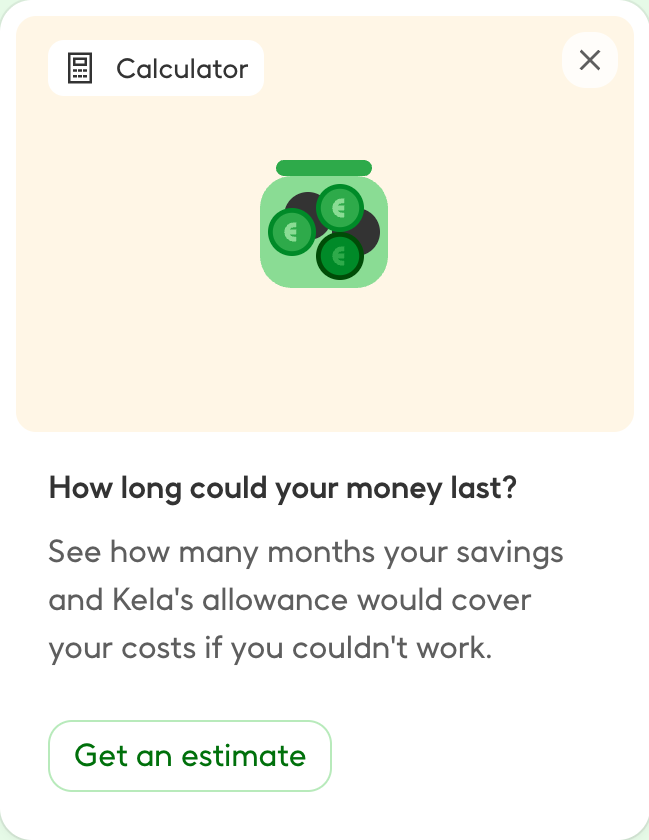
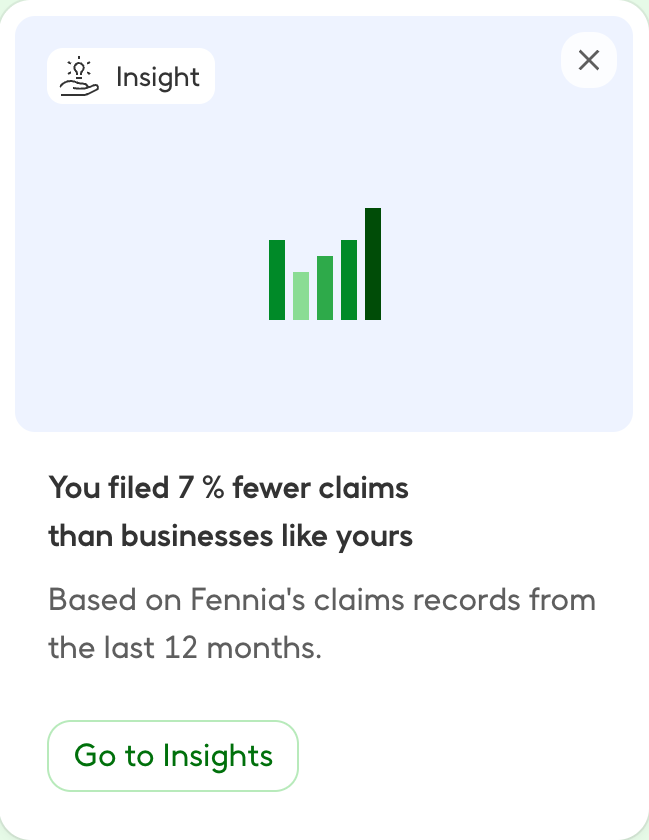
Home suggests what to check next: how long the customer’s money would last and how their claims compare with similar businesses.
Confidence
See the missing coverage
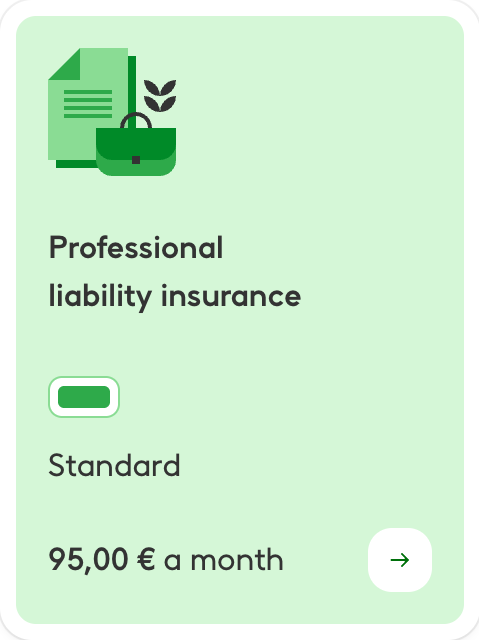
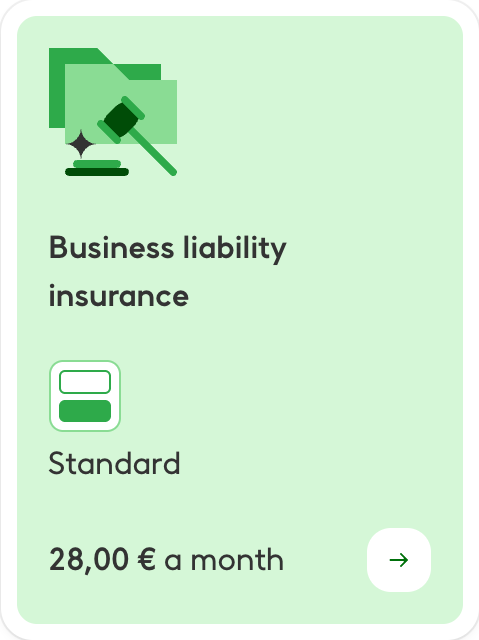
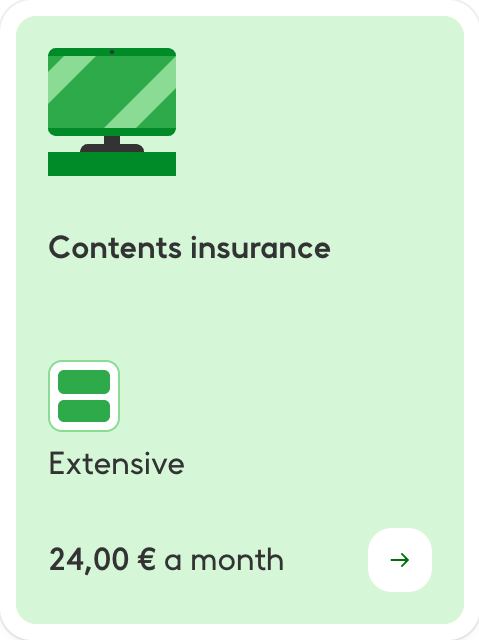
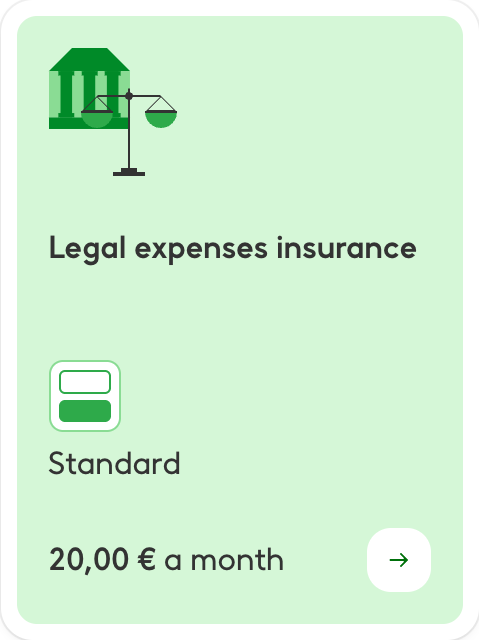
Each policy shows its level and price. A missing policy appears beside them, with a way to buy it.
 Cyber insurance
Transparency
What the coverage pays for
Examples show what it pays for and what it doesn’t.
Transparency
Proactive claims process
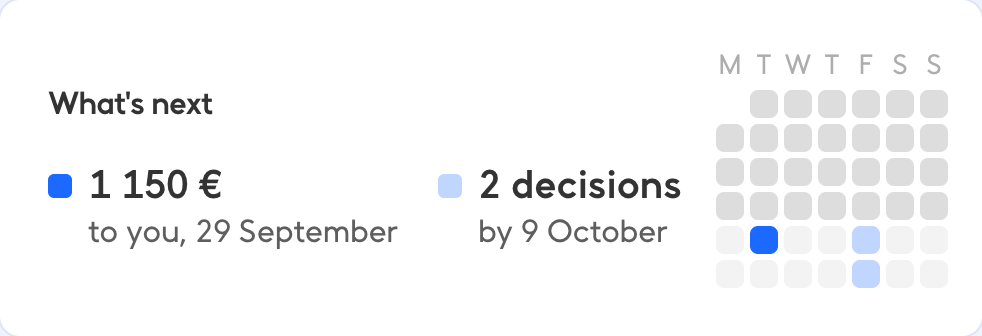
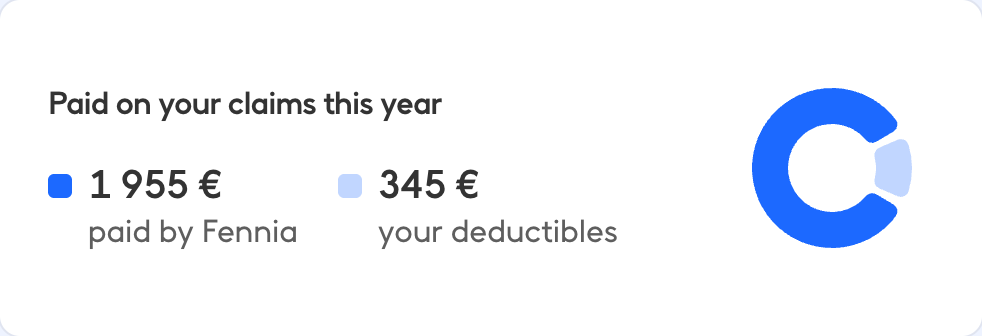
What’s next and when, what Fennia paid, and the customer’s deductibles.
Early validation
Because we were building interactive prototypes with Claude Code, we could frontload our user tests with clickable prototypes. We used screen recordings, our notes and AI to make heat-mapped Excel sheets that decided what went forward, what needed work and which ideas to drop.
Improving the designs
These examples show how we improved the designs after early validation.
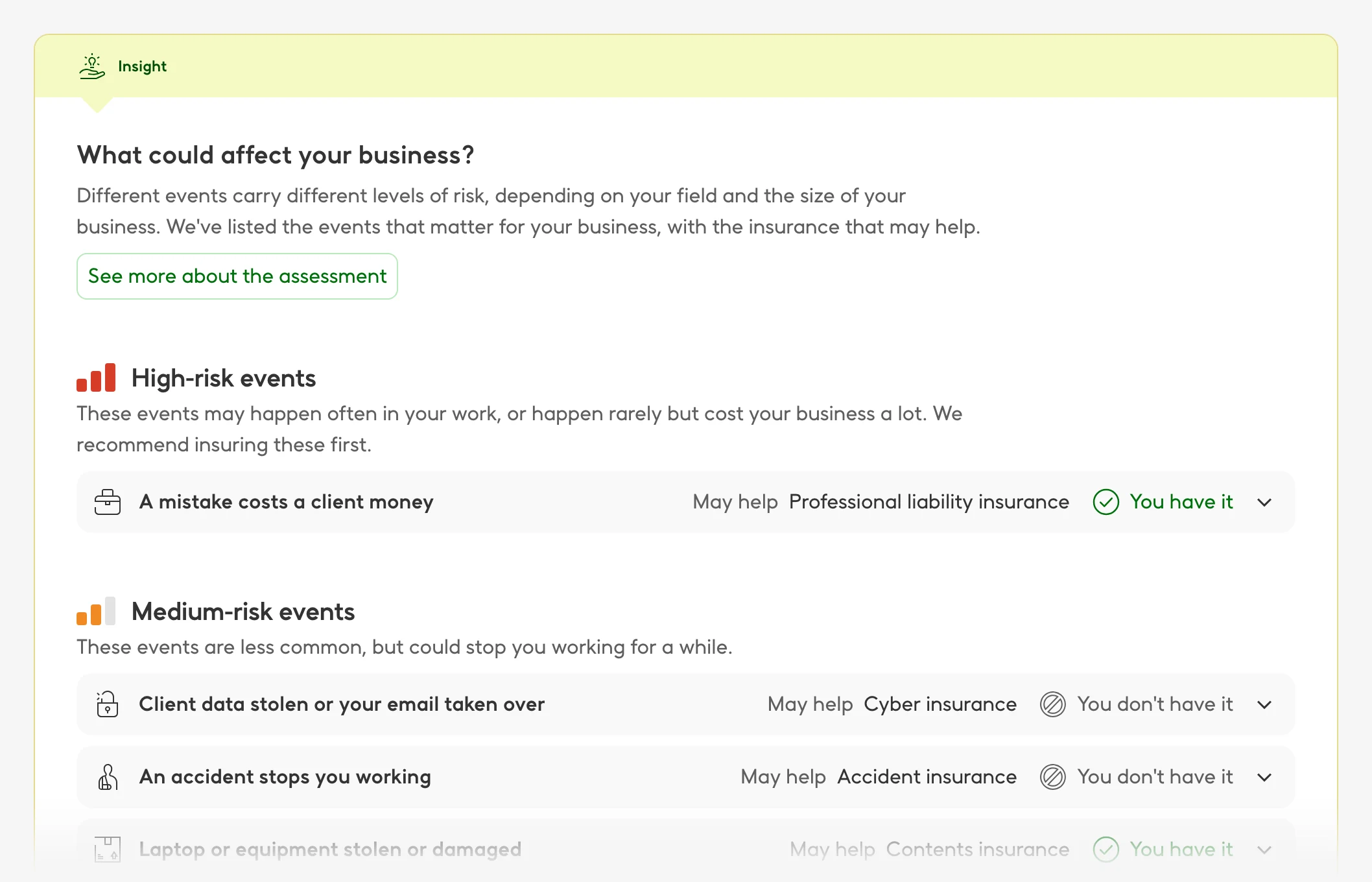
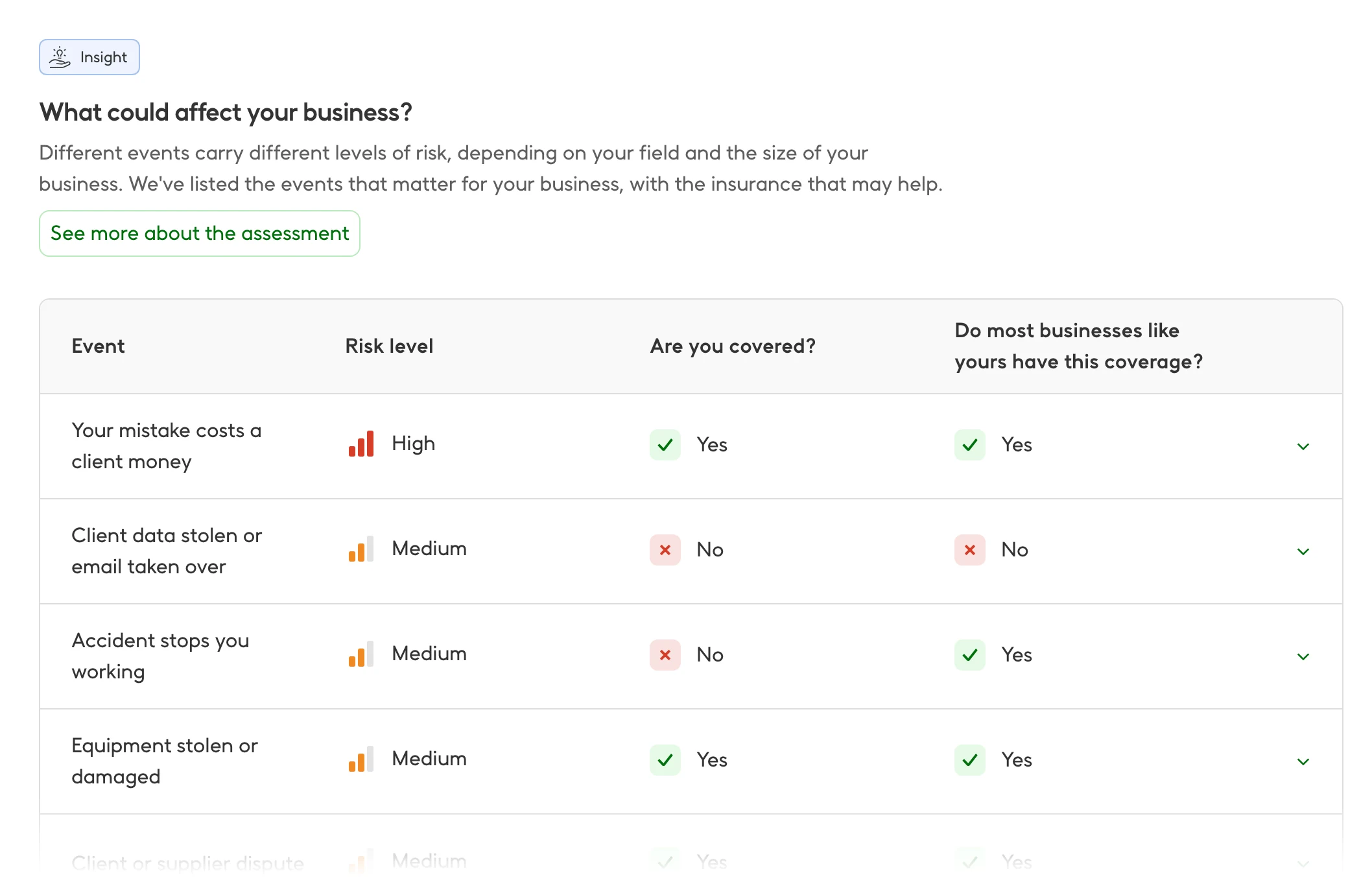
Fennia Insight’s risk groups were hard to read. We put the events in one table, highest risk first, and showed whether the customer and most similar businesses had coverage.
Coverage explanations opened in separate drawers and were hard to read in sequence. We moved them into accordions in the policy card.
Growing portal use
We made these changes so customers would see value in using the portal. Stronger engagement could also connect them with Fennia’s partners, life insurance and investing services.
Delivery
Timeline and roles
- Me, design lead
- Designer
- Service designer
- Product owner
- Salesforce architect
- Customer survey
- Customer interviews
- Me, design lead
- Product owner
- Salesforce architect
- Customer prototype tests
- Me, design lead
- Designer
- Engineers
- Product owner
- Salesforce architect
- Customer community tests
- Engineers
- Salesforce architect
- Product owner
- Me, design lead
Handing it over
As the portal is built, we give developers a working prototype in GitHub, designs in Figma and the knowledge base.
- In Discover, we interview users on Microsoft Teams. We save what we learn in the knowledge base on GitHub. Codex helps with research. Claude Code processes the data.
- In Define, Claude Code helps us explore ideas. We work together on GitHub. Our design system lives in Figma. Customers test the prototype.
- In Design, Claude Code builds the prototype. We document the designs in Figma. Codex agents review the work, the writing and best practice.
- In Deliver, we hand over the work through GitHub, then Salesforce. Engineers build the portal using Experience Cloud, Service Cloud, Sales Cloud and Data Cloud.
What I learned
Changing workflows
We now start with a working prototype built from the knowledge base and test it with customers. Once we know what works, we draw the designs in Figma.
Holistic design
The knowledge base brings business, technology and customer data into one place. Drawing on all three helps us solve more complex design problems.
Roles overlap
I now do work that a business analyst, product manager or early-stage developer might once have done. That overlap has changed how I move from research to a working prototype.
What I’d do differently
Early test partners
I would bring legal and the business into the first test round.
Visual style
I would settle the visual style sooner.
Astro and Einstein are Salesforce’s characters. The Salesforce icons are from the Salesforce Lightning Design System, under CC BY-ND 4.0.